



 1 hour ago
Bobby Williamson reflects on a special Kilmarnock time in new book
Kilmarnock legend Bobby Williamson looks back on the memories, friendships and unforgettable achievements of his time in Ayrshire, as he discusses the story behind his new book, Out of Easterhouse with Killie Magazine.
The memories of his time at Kilmarnock will never fade. From building a successful dressing room and developing young talent, to leading the club to an unforgettable Scottish Cup triumph in 1997, Williamson enjoyed a special period at Rugby Park, one which he regards as the highlight of his managerial career.
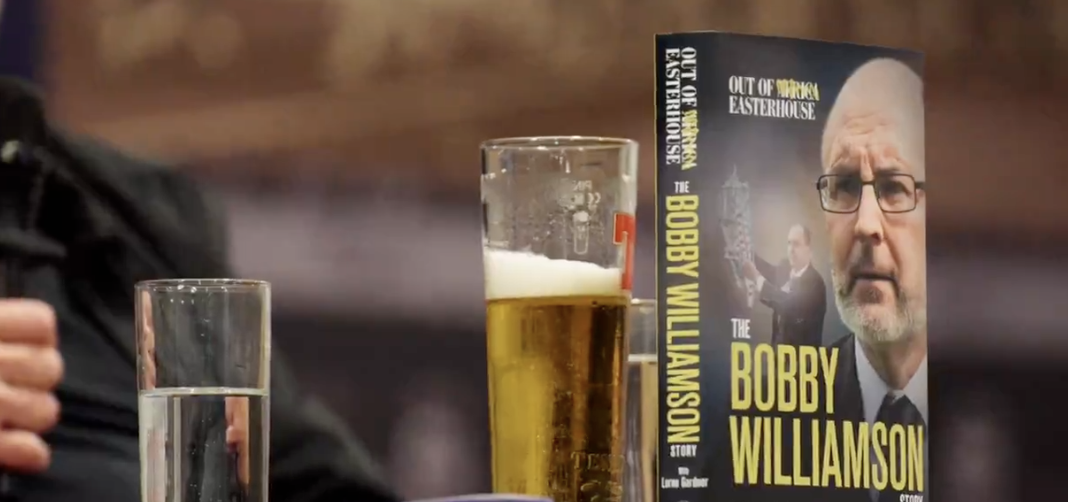
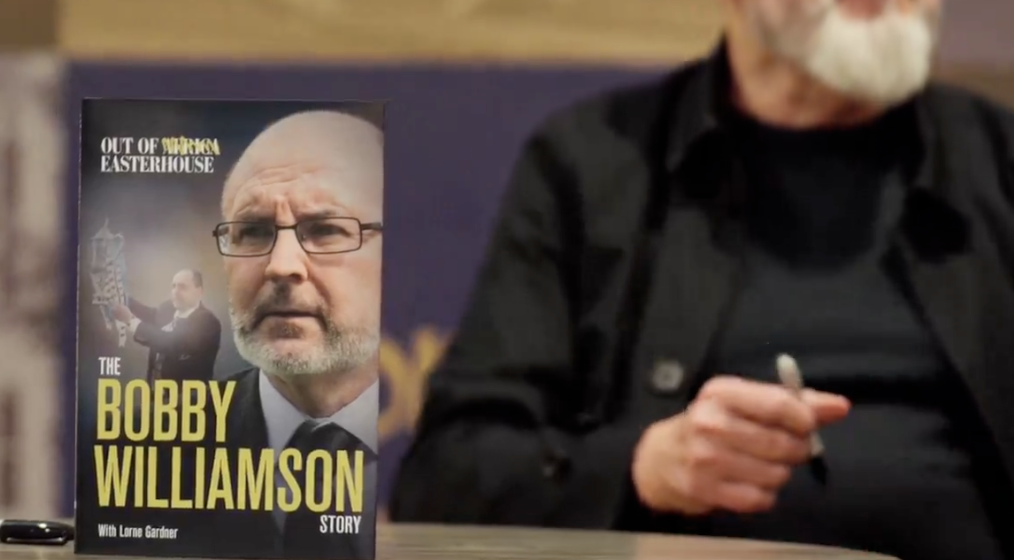
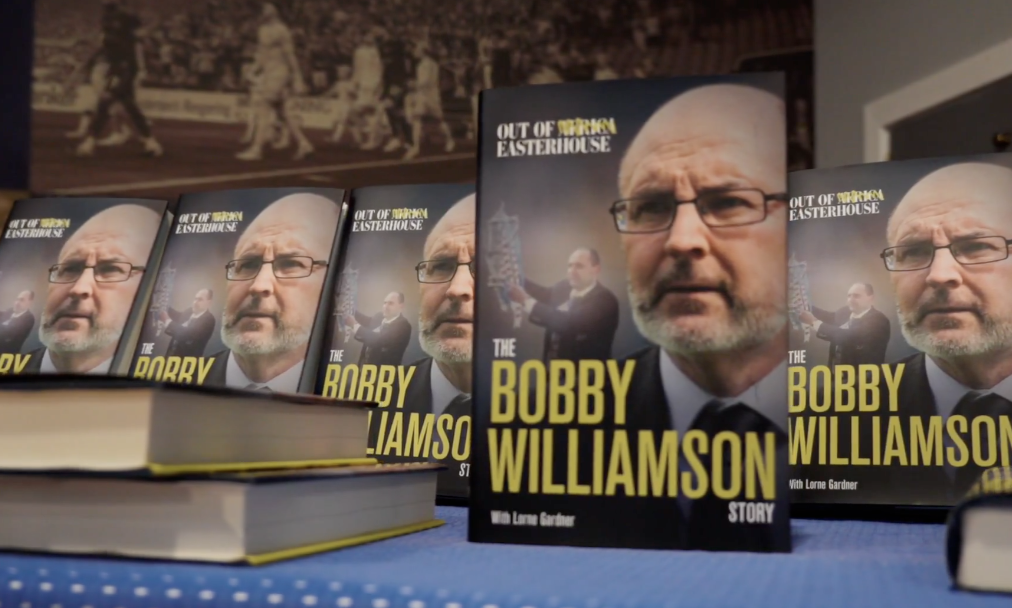
Having put pen to paper on his own story, the former Killie boss and well-renowned character of Scottish Football has reflected on those memorable years with his book, offering an honest insight into his life in football and the people who helped shape it.
“To be honest, it all came into my head when I was suffering from cancer back in 2017,” Bobby said candidly. “I had a lot of time on my hands, and I started to think about my past and everything. I started to remember people I’d forgotten all about and never even thought about for 30, 40 years. And then once I got through that, I thought, ‘I’ll just write a book’.
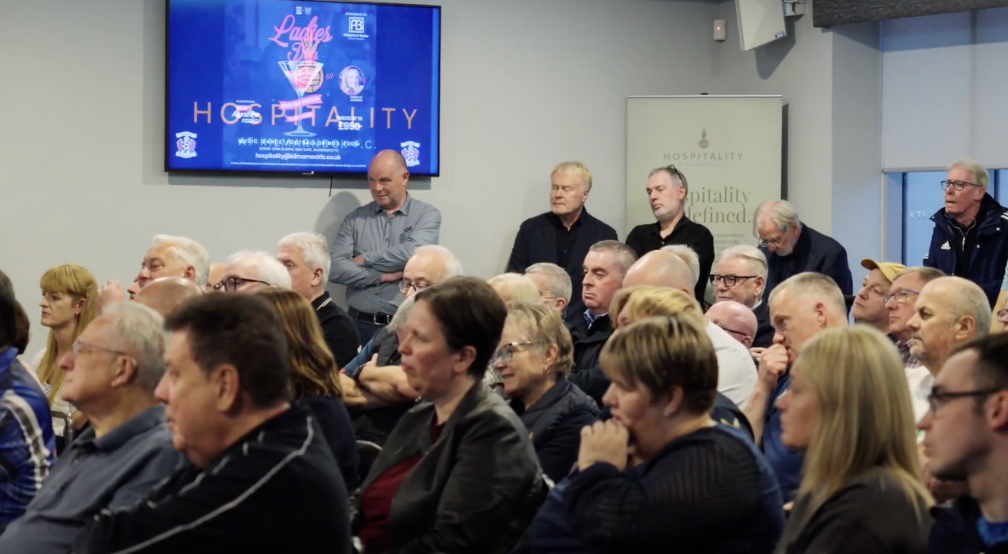
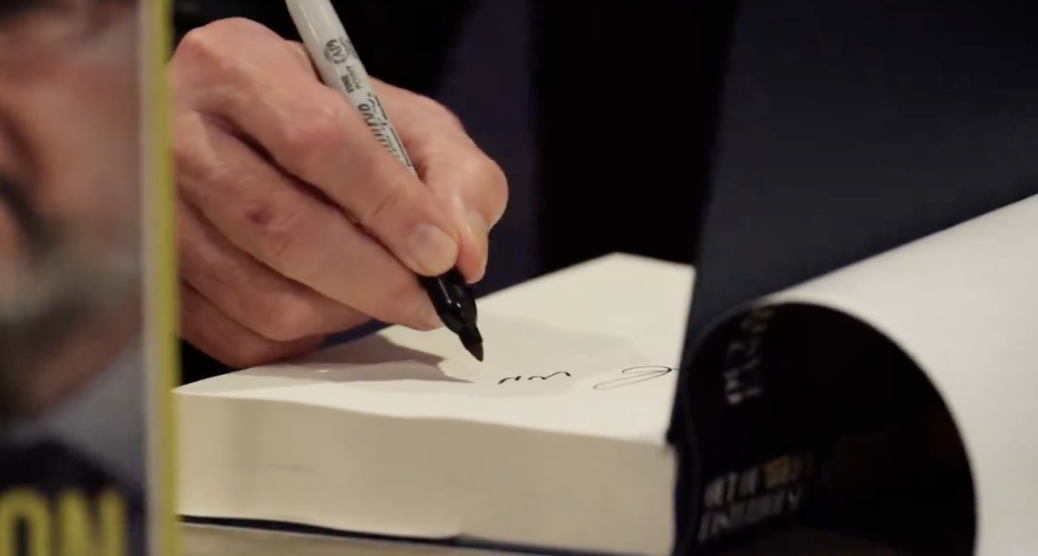
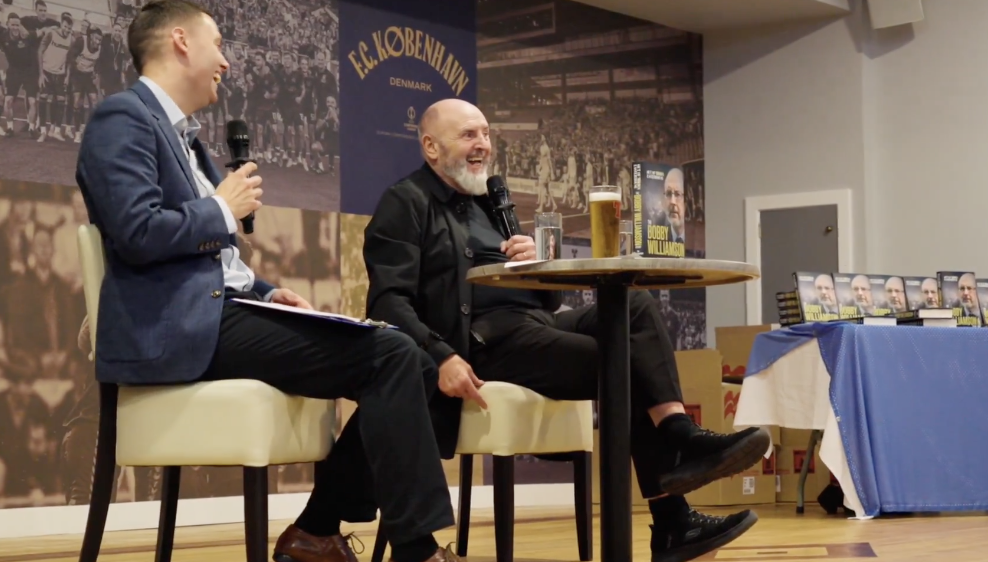
“We fixed up the launch with Gregg McEwan. We came down to Kilmarnock; we’d already done Waterstones and a few podcasts and other media commitments to help its promotion. It was quite a hectic 10 days!”
Having initially struggled to find the right person to help bring the project to life, Williamson teamed up with Lorne Gardner, a vastly experienced Scottish sports editor, with the pair working together to get the book published.
While the book reflects on plenty of different chapters in his life, some of which was difficult to open up on, his time in Ayrshire certainly will capture the minds of readers.
“That was the highlight of my career really,” he explained. “I’ve had a reasonable success here in Africa, won four CECAFA Cups, won a league title with a team in Kenya, Gor Mahia. But the cup final was incredible because it had been 60 years or something like that before Kilmarnock had won the cup before. It’s now been another 30 years since we won it. They’ve only won a trophy once since, so I’m hoping that will change that very, very quickly because the fans deserve it.”
Few moments better capture the magnitude of that achievement than the celebrations which followed the victory over Falkirk at Ibrox, with thousands of supporters lining the streets of Kilmarnock to welcome their heroes home.
Williamson remembers the journey back from Glasgow particularly well, admitting that the scenes on John Finnie Street took everyone by surprise after some initial confusion.
He said: “It took everybody’s breath away. We were on that bus that day because it was a bit underwhelming originally when we came into Kilmarnock from Fenwick. It was just a couple of people out with scarves and not much else. And then once we went onto John Finnie Street, it was incredible. I’ve never seen so many people in the one place at one time.
“Everyone talks about the scenes on John Finnie Street after and how it was kind of pinch-yourself stuff that you couldn’t quite believe that many fans turned up, but they were there. It’s the kind of things that I suppose would live with you for the rest of your days.”
Behind that success was a dressing room filled with professionalism and mischief all rolled in. Williamson believes the club had the perfect balance of youth, experience and character.
Younger players were famously given opportunities to establish themselves alongside the senior pros, while the club’s youth development work played an important role in building a successful side for the years that followed.
Bobby was particularly keen to acknowledge the contribution of Alan Robertson, who worked tirelessly to develop young talent and help prepare players for the first team.
“Alan was brilliant,” He stressed. “He’s a legend at the club. He had a great career. And even when he finished, he was still doing stuff for Kilmarnock and helping develop all these young players to come through.
“Alan certainly played his part. I knew their capabilities, and as I said, Alan deserves a lot of recognition for helping to nurture the talent we had in our ranks.”
He also paid tribute to former chairman Bill Costley, chief executive Ian Welsh, finance director Tom Cairns and the many other staff members who helped make Kilmarnock such a welcoming, family-orientated club.
He added: “I made sure that the players understood that it wasn’t just about the team in the dressing room, it was about the whole infrastructure of the club. We didn’t want to let these people down.
“I remember after we beat Greenock Morton in the cup, I dedicated the cup run to June Malloy, who was at the club at the time, who passed away that season. Her and her husband, Freddie, were big people for the club. She was a secretary. I don’t know what Freddie’s role was at the club at the time. So, the Malloys played a big part in that as well, and it gives you something to fight a wee bit more extra for when you know people like that.
“There were lots of great people around the club at that time. I still get to see them every year when I come back to Glasgow, they’ll take a jaunt up and we’ll grab a couple of beers. You don’t forget the people who were around about you and made it all possible, really.”
Readers will also delve into a deeply personal side to the book, with Williamson admitting that writing honestly about his life meant revisiting some difficult memories.
“There’s some things I was embarrassed and ashamed about, but if I was going to write a book, I had to write it honestly as I could, and that’s what I’d done,” he admitted.
Despite having published his story, Bobby admits there are still plenty of memories he wishes he had included, but the finished product represents an important opportunity to reflect on the people and experiences which have shaped his journey. And while he continues to keep in touch with friends from his time at Rugby Park, his affection for the club and its supporters remains clear.
As we emter the festive season, Out of Easterhouse offers Killie supporters the opportunity to revisit one of the most cherished chapters in the club’s history through the eyes of the man who helped make it happen.
For everyone who remembers that unforgettable day in 1997, or those who want to discover more about the personalities and stories behind it, Bobby Williamson’s book could be the perfect Christmas read.
Supporters can collect their copy of Bobby’s book in The Killie Superstore, or online via the Killie Shop for £20.